

My younger brother came to me saying he wanted to learn electric guitar. He'd been watching YouTube videos of people playing and just got obsessed.
He asked me to help him figure out what to buy and where to start. I told him I'd look into it.
And then I fell down the rabbit hole for a whole week. So here's everything I found, broken down the way I'd explain it to a friend over coffee.
Why Electric and Not Acoustic
My brother asked me this too. And it's a fair question.
Electric strings are thinner and sit closer to the neck. That means less pressure on your fingertips when you're still building calluses. Acoustic strings will straight up hurt your fingers for the first few weeks.
You also get more variety with electric. Rock, blues, jazz, metal, pop, it all works. Acoustic kind of locks you into one lane.
And electric opens up a whole world of gear beyond just the guitar itself. Amps, pedals, audio interfaces. That side of it is genuinely fun to explore as you get more comfortable.
 What Guitar to Actually Buy
This is where most beginners overthink it. I did the same thing.
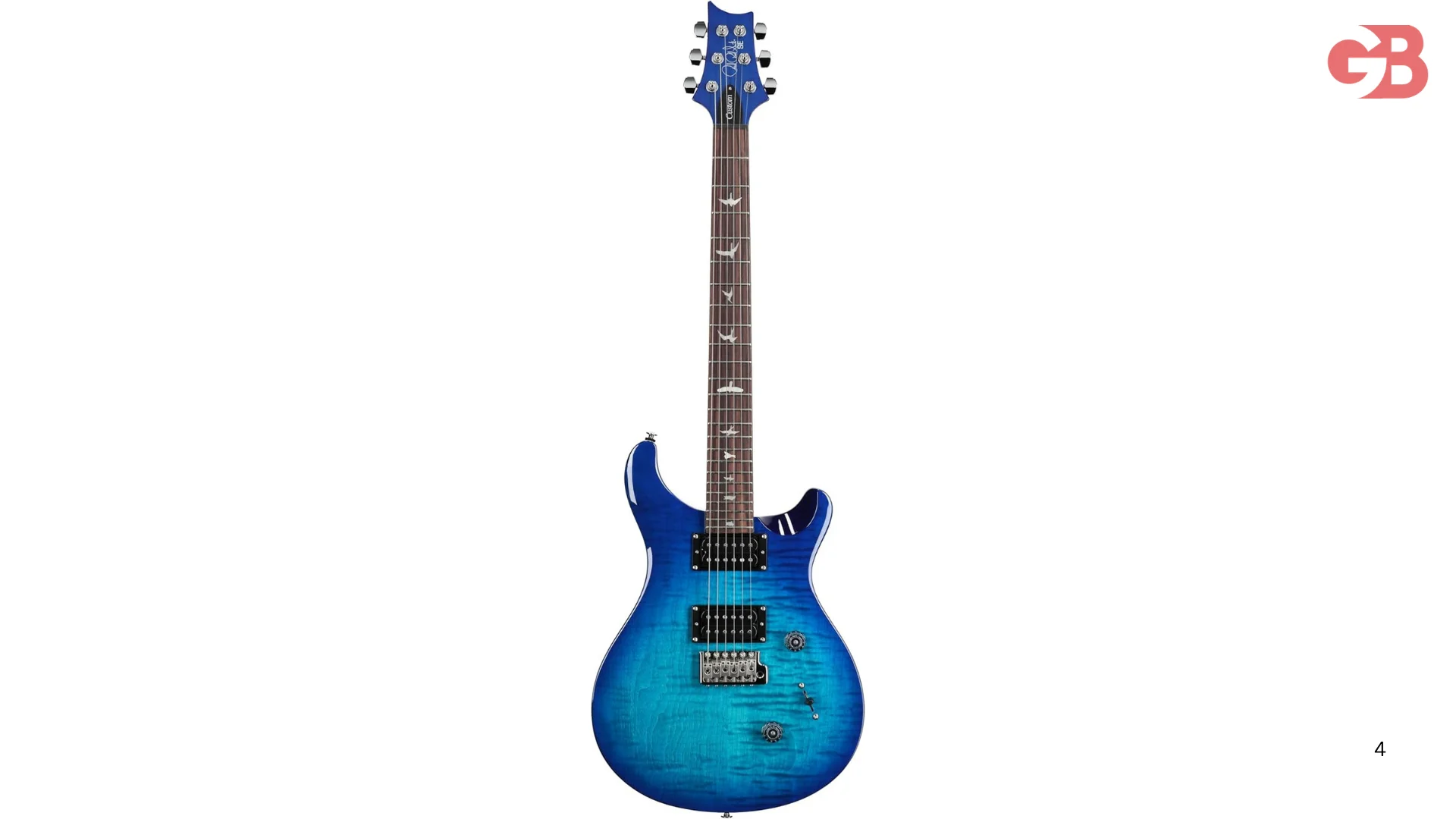
For a first electric, stay in the $200 to $400 range from a brand that's been doing this forever.
Squier is what I'd start with. It's Fender's affordable line and the Stratocaster and Telecaster models are everywhere for a reason. They play well, they hold tune, and they look the part.
Epiphone is the same idea. It's Gibson's budget line. The Epiphone Les Paul Standard is a real guitar at a beginner price and it feels like it.
Avoid going under $100. Those guitars fight you. Bad tuning, uncomfortable frets, weak pickups. You'll blame yourself when it's actually the instrument. Don't do that.
The Amp Matters More Than People Think
A lot of beginners buy the guitar and treat the amp like an afterthought. That's a mistake.
You can have a $600 guitar through a bad amp and it'll sound weak. A $200 guitar through a solid amp sounds way better. The amp is half the equation.
For a bedroom setup, 15 to 30 watts is all you need. The Fender Frontman 10G is the most recommended starter amp out there. Simple, clean, affordable.
If you want more variety from day one, the Fender Mustang LT25 is a modeling amp. It simulates different amp sounds digitally so you can explore different tones without buying multiple amps. Worth the extra spend if you're curious about that stuff.
The Boss Katana 50 MkII is the one I'd actually buy. It runs around $230, sounds great clean and dirty, and has built-in effects that'll keep you busy for a long time.
The Small Stuff You Actually Need
Nobody talks about this part and then you get home and realize you're missing half of what you need.
A 1/4 inch instrument cable to connect the guitar to the amp. Don't cheap out here. Get a Mogami or Planet Waves. They last years and don't add noise to your signal.
A clip-on tuner. Before anything else, you need to know your guitar is in tune. The Snark SN5X is about $10 and clips right onto the headstock. Get this on day one.
Picks. Grab a variety pack. Thin picks are easier for strumming, thick picks give you more control for lead. Figure out what feels right for you.
A strap. If you're playing standing without one, you're one slip away from a bad day. Just get it.
Also Read: Can You Play Valorant on Mac? The Honest Answer
The Audio Interface Thing
This one changed how I thought about the whole setup when I was researching.
An audio interface like the Focusrite Scarlett Solo lets you plug your guitar straight into your laptop. From there you can use amp simulation software and practice through headphones with no amp noise at all.
That means playing at 11pm without waking anyone up. For apartment living that's not optional, it's essential.
The Scarlett Solo runs about $120. Pair it with a decent pair of headphones like the Audio-Technica ATH-M20x and you've got a silent practice rig that sounds way better than you'd expect. Free plugins like GarageBand on Mac make it sound like you're playing through a real amp stack.
I honestly think this combo matters more than the amp choice for a lot of people just starting out.
Pedals
Effects pedals sit between your guitar and amp and change your tone. Distortion, reverb, delay, chorus. There are hundreds of them.
You don't need any of this to start. Seriously.
But when you're ready, the Boss DS-1 distortion is one of the most iconic pedals ever made and it's under $60. The TC Electronic Hall of Fame reverb adds a massive sense of space to your playing and beginners love it.
A tuner pedal is the one I'd actually recommend first. It keeps your signal chain organized and makes tuning between songs on stage much cleaner when you get there.
Where to Learn
Justin Guitar. That's the first answer everyone gives and they're right.
It's a free website and app with a full structured curriculum from absolute zero to intermediate. The lessons are clear, well-paced, and used by millions of people. I watched a few just to check and they're genuinely good.
Fender Play is the paid option at around $15 a month. It's song-based which means you're learning actual songs from day one. That keeps you motivated way more than just drilling scales.
The thing every experienced player kept saying was this: learn songs you actually like. Don't just practice theory for months before playing anything recognizable. Play real songs. Even simple versions. That's what keeps people going.
How Long Until You Actually Sound Good
The real question nobody asks out loud. I asked it when I was researching and got honest answers.
Most people can play recognizable songs within 3 months of consistent practice. Not perfectly, but someone listening would know what song it is.
Six months in with daily practice and you can hold your own. Basic chord progressions, a few riffs, maybe a simple solo.
A year in, you feel like an actual guitar player.
The key word is consistent. 15 minutes every day beats 2 hours on Saturday. Your fingers and brain need repetition over time, not big one-off sessions.
What a Solid Beginner Setup Costs
Here's what I'd actually buy if I were starting today. Not the cheapest stuff, not overkill. Just solid at every step.
Guitar: Squier Classic Vibe Stratocaster, around $400. It's the best playing guitar at this price point and people who've been playing for years still own and love these.
Amp: Boss Katana 50 MkII, around $230.
Cable: Mogami Gold Instrument Cable, around $40.
Tuner: Snark SN5X, around $10.
Picks: Fender 351 Variety Pack, around $8.
Strap: D'Addario Comfort Strap, around $20.
That's around $710 total. If you want to go lighter on the guitar, the Squier Affinity Stratocaster at around $230 is also a great pick and leaves more budget for everything else.
My Honest Take
After all this research I did for my brother, here's what I actually told him.
Don't overthink the gear. Get a solid beginner guitar, a decent amp, and start playing. The gear conversation is fun but it can also be an excuse to delay starting.
I've seen people with $3,000 guitars who barely practice and people with $250 Squiers who play every single day and sound incredible. The guitar doesn't make the player. The hours do.
That said, don't go so cheap that the gear fights you. Stay above $200 for the guitar and above $150 for the amp and you're in a good place.
My brother ordered his guitar last week. He texts me updates every couple of days. It's genuinely cool to watch.
FAQs
What is the best electric guitar for beginners?
The Squier Affinity or Classic Vibe Stratocaster. Built by Fender, plays well out of the box, and holds up as you improve.
Do I need an amp to play electric guitar?
Yes. You can also use an audio interface with headphones as an alternative, but you need something to amplify the signal.
How much should a beginner spend on a first electric guitar setup?
A solid starter setup runs $400 to $700 including guitar, amp, cable, and accessories. Going cheaper is possible but risks gear that slows your progress.
What is the easiest electric guitar to learn on?
A Stratocaster-style guitar. Thin neck, light strings, and a balanced body make it comfortable for long practice sessions.
Is Justin Guitar good for learning electric guitar?
Yes. It's free, well-structured, and the most recommended resource for beginners starting from zero.