

You're standing in a parking lot, watching your tire slowly lose air, and someone hands you a plug kit. It works the hissing stops, the tire holds pressure and you're back on the road in twenty minutes. But now the real question kicks in: is this a permanent fix or a temporary patch until you get to a shop?
The short answer is: it depends on where the damage is, how the plug was installed, and whether it was done right. Let's get into what actually determines how long a tire plug holds up.
What a Tire Plug Actually Does
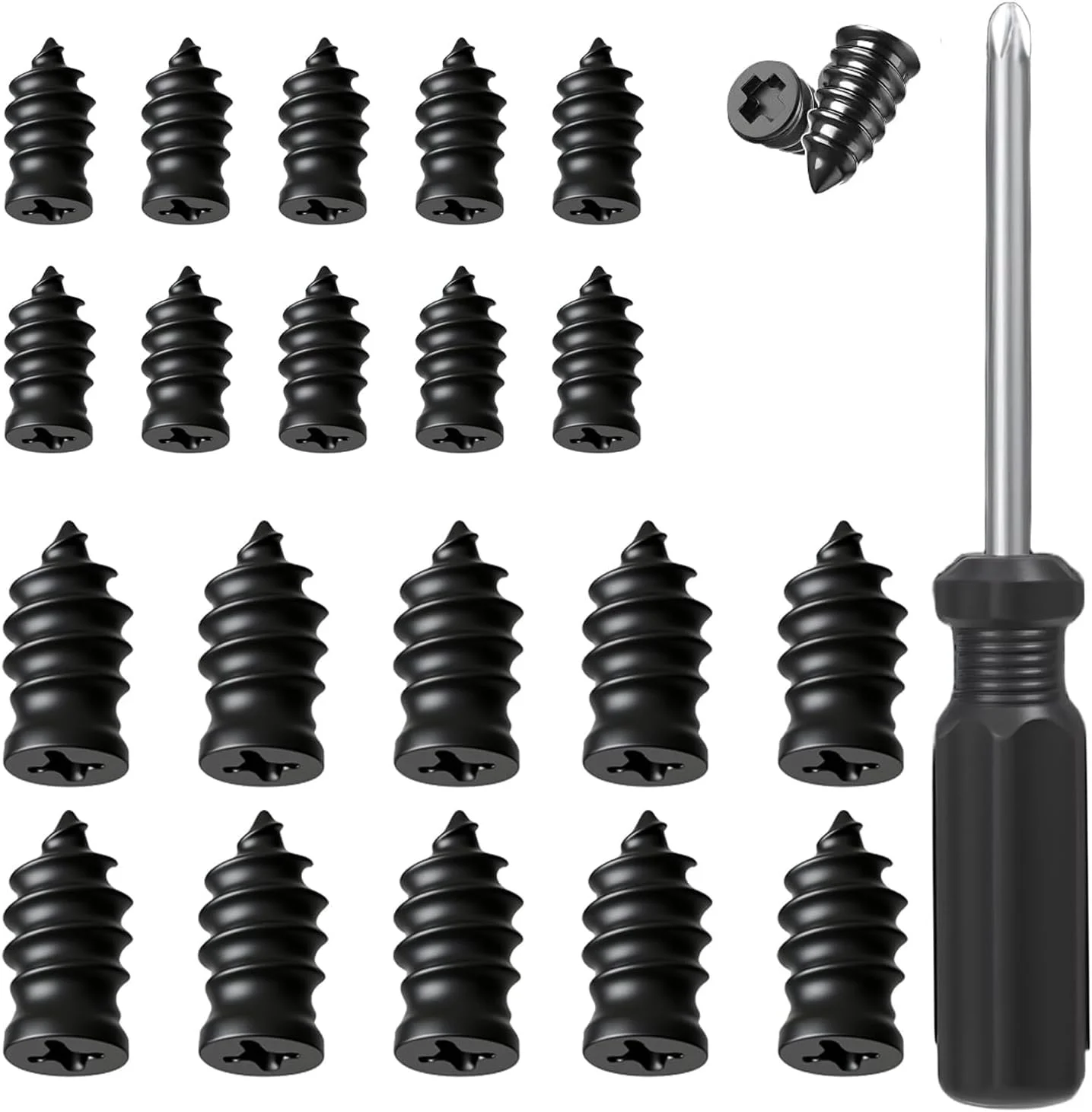
A tire plug is a strip of rubber-coated material that gets pushed into a puncture to seal it from the inside out. When done correctly, the plug expands inside the hole and vulcanizes with the tire's rubber, creating an airtight seal.
The key word is correctly. A plug inserted by someone who's done it dozens of times on a clean, straight puncture performs very differently than one rushed into a torn or sidewall-adjacent hole.
 The Lifespan Reality
A properly installed tire plug in the right location can last the remaining life of the tire sometimes 7 to 10 years or 50,000+ miles. That's not marketing language; mechanics and tire technicians genuinely see this outcome regularly with clean, centered tread punctures.
But that's the best-case scenario. In practice, several variables determine longevity:
Location of the puncture matters most. A plug in the center third of the tread the part that makes flat contact with the road is in the most stable, low-flex zone. A puncture near the shoulder (where the tread starts curving toward the sidewall) faces more stress with every rotation. Plugs in that zone fail faster, sometimes within weeks.
The size and shape of the hole. A small, clean hole from a nail or screw the most common scenario is ideal for plugging. A jagged tear, anything larger than about a quarter inch in diameter, or an irregular shape puts the plug under constant stress and can cause it to work loose.
Plug-only vs. plug-and-patch. A standalone plug is technically a temporary repair according to most tire industry standards, including the Tire Industry Association. A combination plug-patch where a plug fills the hole and a patch covers it from inside is considered the proper permanent repair. If your tire was only plugged from the outside without removing it from the rim, it hasn't received the permanent fix.
Plug Holds for the Life of the Tire
Think about a classic scenario: you pick up a roofing nail in a neighborhood parking lot. It's gone straight in, roughly perpendicular to the tread, and it's sitting right in the middle of the tire. You take it to a shop, they remove the tire, clean the puncture channel, insert a combination plug-patch from the inside, and remount it.
That repair done properly is indistinguishable from an unpatched tire in terms of performance. The plug fills the channel while the patch distributes the stress load across a wider area of the inner liner. Done right, you're unlikely to ever think about that puncture again.
Contrast that with a roadside plug kit repair still useful in emergencies, but it's only filling the hole from the outside. The inner liner isn't sealed. That's fine to get you to a shop safely, but it shouldn't be your final answer for a tire you plan to keep for another 40,000 miles.
Signs a Plug Is Starting to Fail
A plug doesn't always fail dramatically. More often it's a slow leak you notice every few weeks you're adding air, checking pressure more often, but the tire never fully goes flat. That's a plug losing its seal gradually.
Other signs:
Visible plug shifting or protrusion from the tread surface
A slight wobble or vibration at highway speeds (rare, but possible if the plug changed the tire's balance)
The original puncture area feels soft or slightly sunken when you press on it
If you're seeing any of these, the tire needs to come off and get properly inspected. Driving on a failing plug at highway speed is where things can go wrong quickly.
Tire Industries Guidelines
The Tire Industry Association guidelines state that a plug-only repair is not a permanent fix. The Rubber Manufacturers Association agrees. Both organizations recommend a plug-patch combination as the only repair method that maintains the tire's structural integrity.
This matters because a tire isn't just rubber it has steel belts and fabric plies underneath. A puncture that penetrates those layers can cause internal damage invisible from the outside. A proper repair includes inspecting the interior of the tire for belt separation or liner damage before sealing anything.
This is also why many tire shops refuse to repair punctures that are near the sidewall or shoulder not because they can't plug it, but because they know the repair won't hold reliably and they don't want the liability (or the safety risk to you).
Also Read: How Much Does It Cost to Restring a Guitar?
Misconceptions About Tire Plugs
"If it holds air, it's fine." Air pressure is a lagging indicator. A plug can hold air fine while the surrounding rubber is slowly degrading. By the time you notice a slow leak, the repair has already been compromised for a while.
"Plugging is just as good as replacing." For a small, clean puncture in the center tread, a proper plug-patch repair is genuinely close to a full replacement in terms of safety. But a plug-only roadside repair on a borderline puncture is not equivalent to a new tire it's a bridge to get you somewhere safer.
"Any nail in any location can be plugged." Sidewall punctures can't be safely repaired, full stop. The sidewall flexes constantly as the tire rolls, which means no plug or patch will hold permanently. Any shop that plugs a sidewall puncture without telling you to replace the tire is cutting corners.
"Plugs are illegal to drive on." Not true. Plug-patch repairs meet DOT standards and are legal and safe when done correctly. The temporary stigma around plugs comes from plug-only repairs, not proper combination repairs.
Practical Advice If You're Deciding Right Now
If you just plugged a tire roadside and you're wondering what to do next:
Check the location: if the puncture is in the center tread and the hole is small, you're likely fine for the short term
Get to a tire shop within a day or two and have them inspect and do a proper internal repair
Don't ignore it and hope a plug that's working today can loosen over time, especially in temperature extremes
If the shop says the tire can't be safely repaired (wrong location, too large, or sidewall adjacent), take that seriously. A new tire is significantly cheaper than a blowout at speed.
FAQs
Can I drive long-term on a plugged tire without professional repair?
It'll hold for a while, but it's a temporary fix. Risk builds gradually especially at highway speeds.
Does a plugged tire need earlier replacement?
Not if repaired properly. A plug-patch combo lasts as long as the remaining tread though some manufacturers void warranties on plugged tires.
Will a tire plug affect fuel economy or handling?
No noticeable effect if done correctly. Get a quick wheel balance check just to be safe.
How do I know if a shop did a proper repair?
Simple: they had to remove the tire from the rim. No dismount = plug-only = not a permanent fix.
Does weather affect how long a plug lasts?
Yes. Heat degrades rubber faster; cold causes slight contraction. Inspect more often in extreme climates.
The Bottom Line
A tire plug can last anywhere from a few weeks to the full life of the tire and the difference between those outcomes comes down to where the puncture is, how big it is, and whether the repair was done properly. A clean nail hole in the center tread, fixed with a plug-patch combination by a professional, is a legitimate long-term repair. A sidewall plug or a roadside-only fix is a bridge to somewhere safer, not a destination.
When in doubt, get a second opinion from a shop that will actually take the tire off the rim and look at it from the inside. That five-minute inspection tells you more than any external visual ever will.