


A drone reviewer who bought 15 budget drones with his own money put it bluntly: most "budget drone" articles are thinly-veiled affiliate link farms pushing whatever pays the highest commission. He flew every single one until he understood its quirks, then returned the ones that were genuinely terrible.
That's the honesty this category desperately needs, because "4K" on a $60 drone box almost never means what you think it means. Here's a genuinely detailed, technically honest breakdown of what's actually worth buying in 2026.
The Two Myths That Waste People's Money First
Before any specific drone recommendations, two technical realities determine whether you'll actually be happy with a budget purchase.
Native 4K versus interpolated 4K. In 2026, every drone under $200 claims "4K." Most of them lie. Native 4K means the sensor physically captures at 3840×2160 pixels, genuinely rare under $200. Interpolated 4K means a lower-resolution sensor upscales its footage to look like 4K resolution, which looks acceptable on a phone screen but falls apart on a large monitor.
Brushless versus brushed motors. Brushless motors last longer, handle wind better, and run quieter. Brushed motors, common on very cheap drones, wear out after 50 to 100 hours and degrade steadily over time. At $200 and above, you should genuinely be getting brushless motors as a baseline expectation, not a premium feature.
Quick Comparison Table
Drone | Price | Camera | Real Flight Time | GPS |
|---|---|---|---|---|
DJI Neo | $199 | Native 4K/30fps | 13–18 min | No |
Holy Stone HS720E | ~$179 | Interpolated 4K | 24–26 min | Yes |
Potensic Atom SE | ~$159 | 4K, Sony CMOS | 30+ min | Yes |
Potensic Atom LT | ~$150 | 2.5K with EIS | 38–40 min | Yes |
Holy Stone HS510 | Under $150 | 1080p/2K | 20+ min | Yes |
Ryze Tello | Under $100 | 720p/1080p | 13 min | No |
Snaptain S5C | Under $60 | 1080p | 9–10 min | No |
Holy Stone HS440 | Under $60 | 720p | 10 min | No |
DJI Mini 4K | $299 | Native 4K, gimbal | 25+ min | Yes |
DJI Neo: The Best Overall Pick Under $200
DJI built its entire reputation on flagship drones costing thousands of dollars, and the Neo represents the company deliberately reaching down into true budget territory for the first time without cutting the corners that usually define "cheap." It's designed specifically as a palm-launch selfie drone, taking off directly from your hand with no controller required at all, which is a genuinely different use case from a traditional camera drone.
What actually separates the Neo from every competitor at this price isn't a spec sheet number, it's DJI's software and video processing being roughly a generation ahead of what Potensic and Holy Stone offer at similar prices. The gap between the Neo and everything else on this list is bigger than the price difference suggests, largely because DJI's stabilization algorithms compensate for the lack of a physical gimbal through processing power alone.
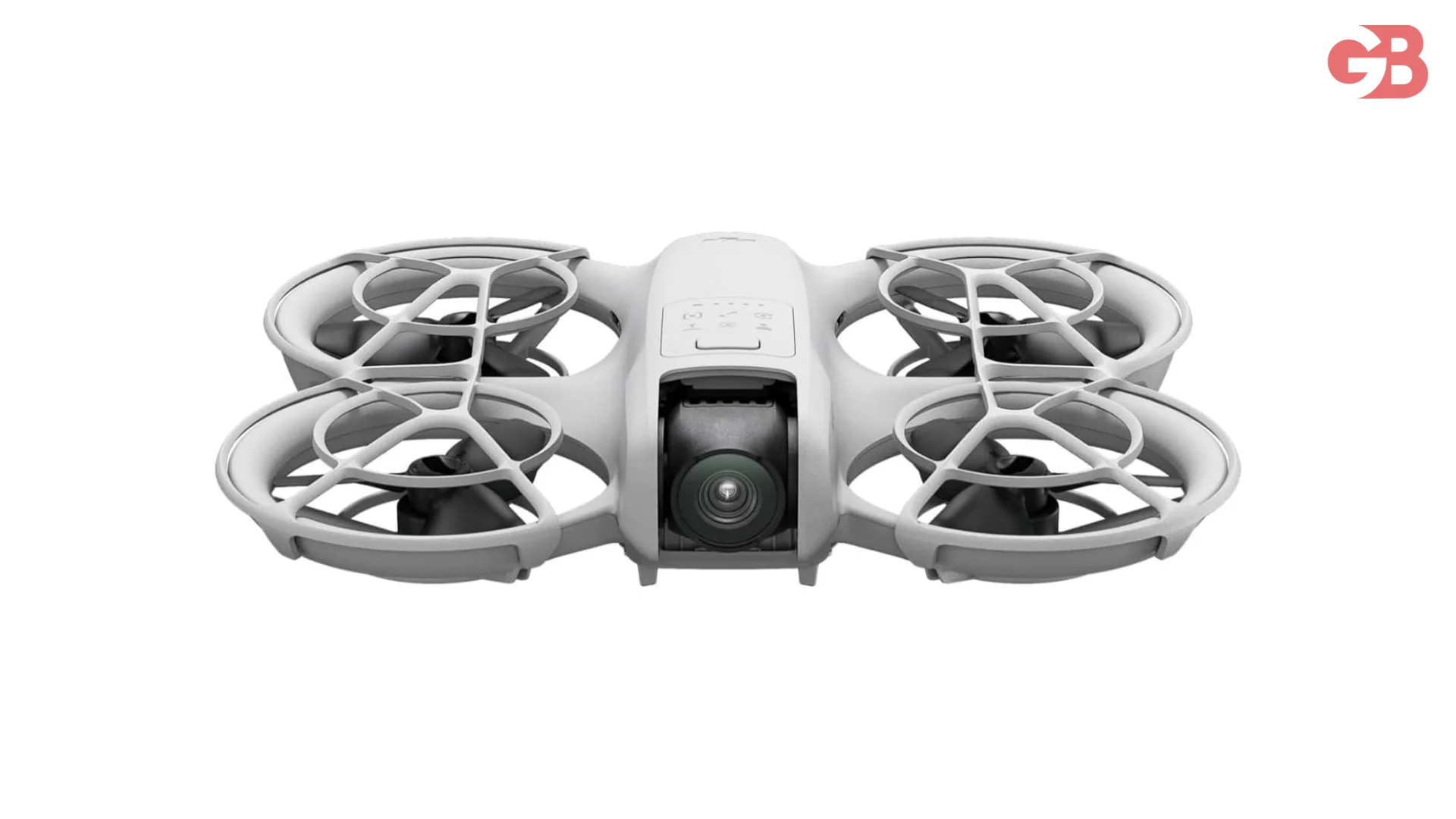 Pricing: $199 for the base package.
Key specs: Native 4K/30fps video at 75 Mbps, 135g weight, AI-powered subject tracking, controller-free palm launch, no FAA registration required.
Real flight time: Advertised at 18 minutes, delivers roughly 13 to 15 minutes in actual use.
Best for: Beginners who want the best camera quality and easiest overall experience without spending more than $200, and anyone prioritizing selfie-style tracking footage over traditional piloted flight.
Not for: Anyone wanting GPS-based Return-to-Home stability, traditional manual flight control, or footage meant for a large screen rather than social media, since even the Neo's footage sits a clear step below anything with a real 3-axis gimbal.
Holy Stone HS720E: Best GPS Stability Under $200
Holy Stone built its identity specifically around making GPS-equipped drones accessible at price points DJI has historically ignored, and the HS720E is the clearest proof that strategy works. GPS enables two things that matter more than any camera spec, stable hover and genuine Return-to-Home capability, meaning if you lose signal or panic mid-flight, the drone flies itself back rather than drifting away with the wind.
The honest caveat here matters. The HS720E claims 4K, but it's interpolated, not native, so the sensor upscales footage to 4K resolution rather than physically capturing it at that detail. For the average buyer sharing videos online rather than editing on a large monitor, the image quality remains perfectly acceptable despite that technical asterisk.
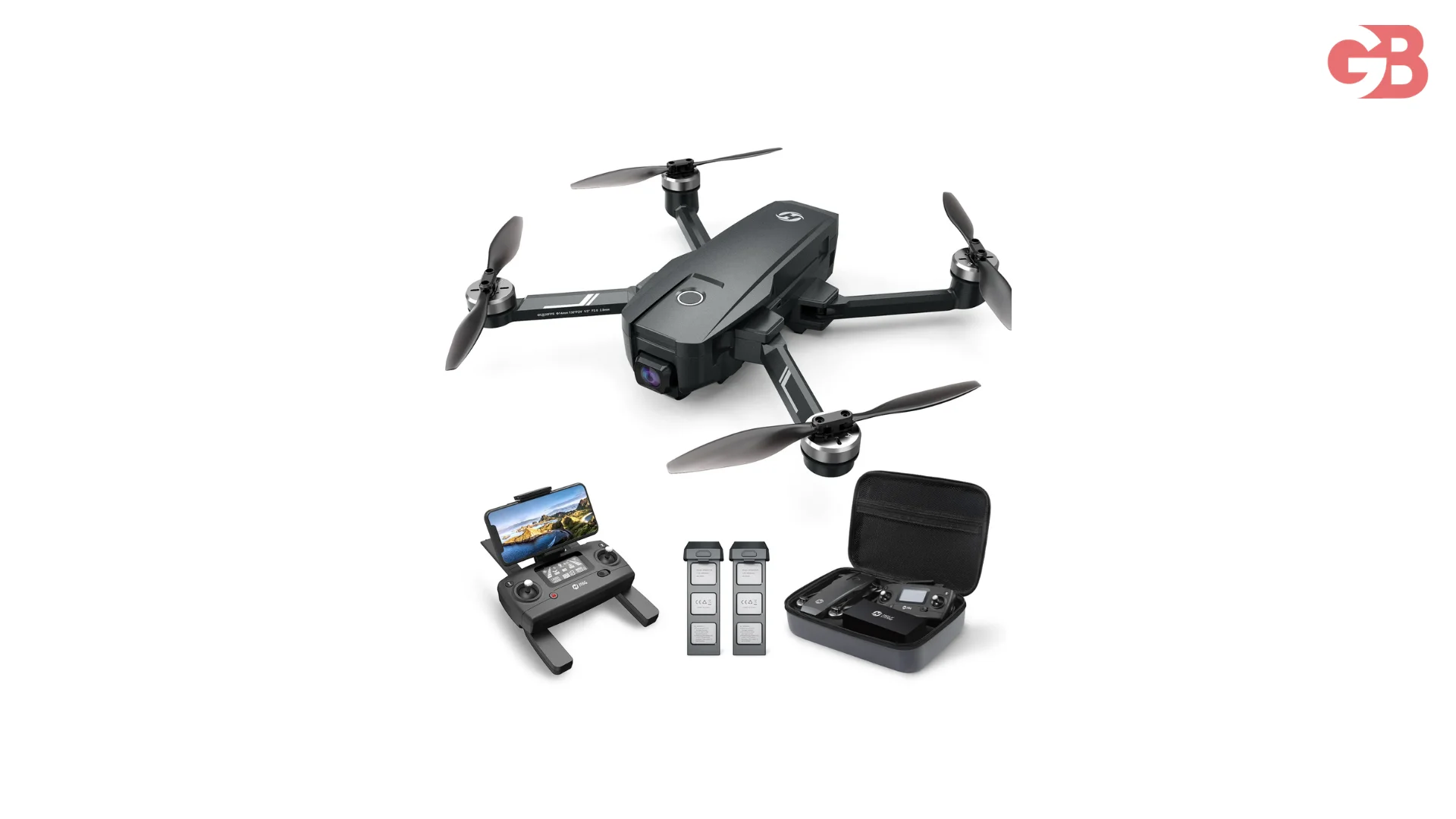 Pricing: Around $179, often bundled with two batteries.
Key specs: Dual-satellite GPS/GLONASS positioning, brushless motors, interpolated 4K camera, 495g weight.
Real flight time: Roughly 24 to 26 minutes measured in actual testing.
Best for: First-time buyers who want rock-solid outdoor hover stability and don't want to risk losing their drone to a gust of wind or a lost signal.
Not for: Anyone avoiding FAA registration, since at 495g it clears the 250g threshold and requires registration plus Remote ID compliance, a small extra step but one worth knowing before you buy.
Potensic Atom SE: Best Battery Life Without Registration Hassle
Potensic has spent the past few years positioning itself as the most credible DJI alternative in the budget space, and the Atom SE is where that positioning pays off most clearly. It lands at exactly 249g, one gram under the FAA's registration threshold, meaning you get GPS-based flight stability and a Sony CMOS 4K sensor without the paperwork that comes with heavier drones.
The transmission technology underneath the Atom SE deserves specific mention. Potensic PixSync is a dedicated transmission protocol running through the included controller, holding a stable video feed at 500 to 800 meters in real conditions, roughly two to three times the practical range of Wi-Fi-based competitors that stream video directly through your phone's connection.
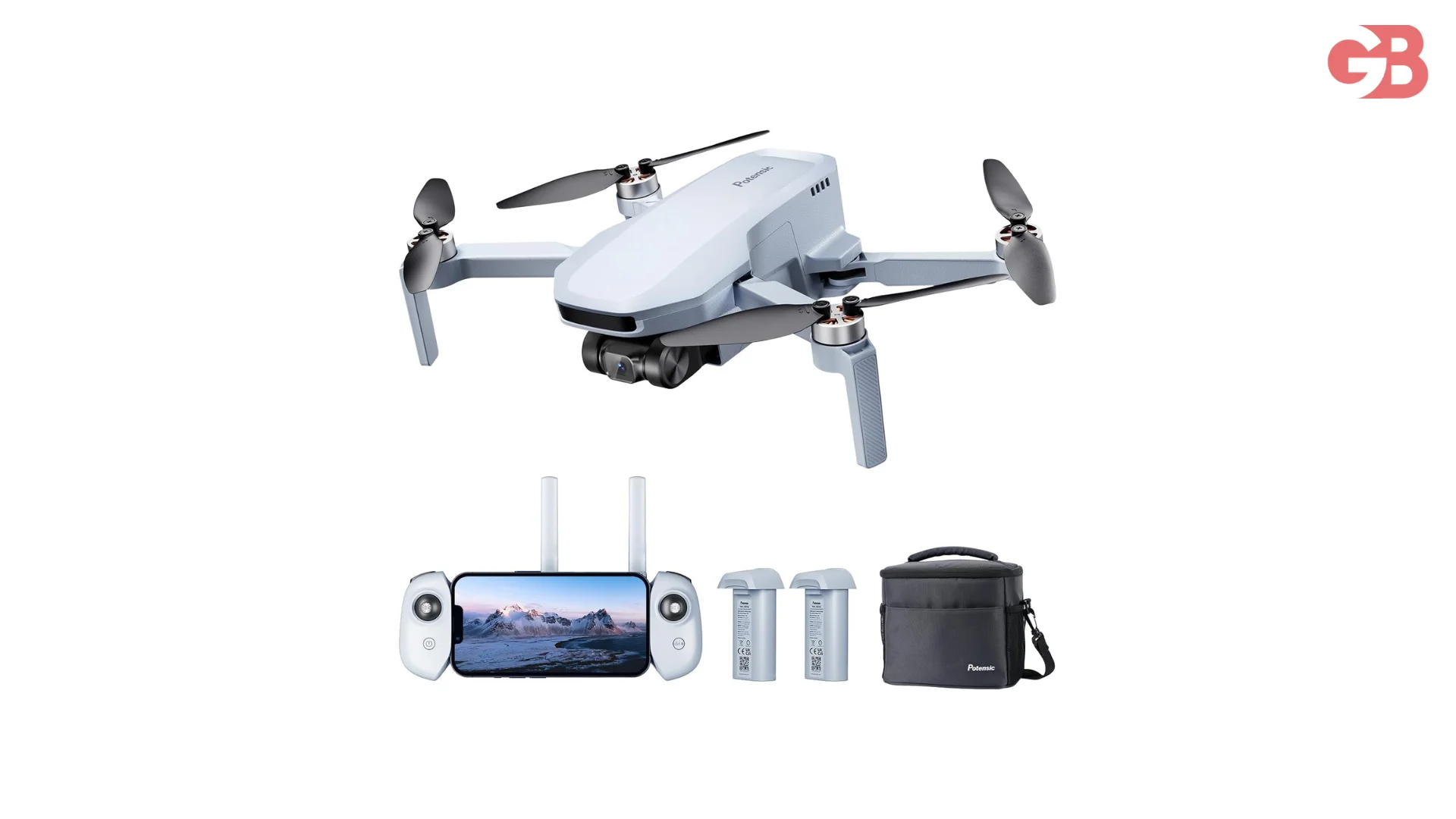 Pricing: Around $159.
Key specs: Sony CMOS 4K camera, brushless motors, built-in GPS, 249g weight, PixSync transmission protocol.
Real flight time: Over 30 minutes in real-world testing, among the strongest battery performance at this price tier.
Best for: Buyers who specifically want to avoid FAA registration paperwork while still getting genuine GPS stability and dependable transmission range.
Not for: Anyone whose top priority is the absolute sharpest video image, where the DJI Neo's native 4K sensor and superior processing still pull ahead despite the Atom SE's respectable specs.
Potensic Atom LT: Best Flight Time by a Wide Margin
Where the Atom SE optimizes for staying under the registration weight limit, the Atom LT optimizes purely for time in the air, and it wins that specific category decisively against everything else in this price range. Electronic Image Stabilization handles the footage smoothing here rather than a mechanical gimbal, which works well in calm conditions but shows more jitter once wind picks up.
That trade-off, accepting slightly less polished footage in exchange for nearly double the flight time of most competitors, makes the Atom LT genuinely appealing for anyone who finds themselves constantly frustrated by battery anxiety cutting flights short before they've actually captured what they wanted.
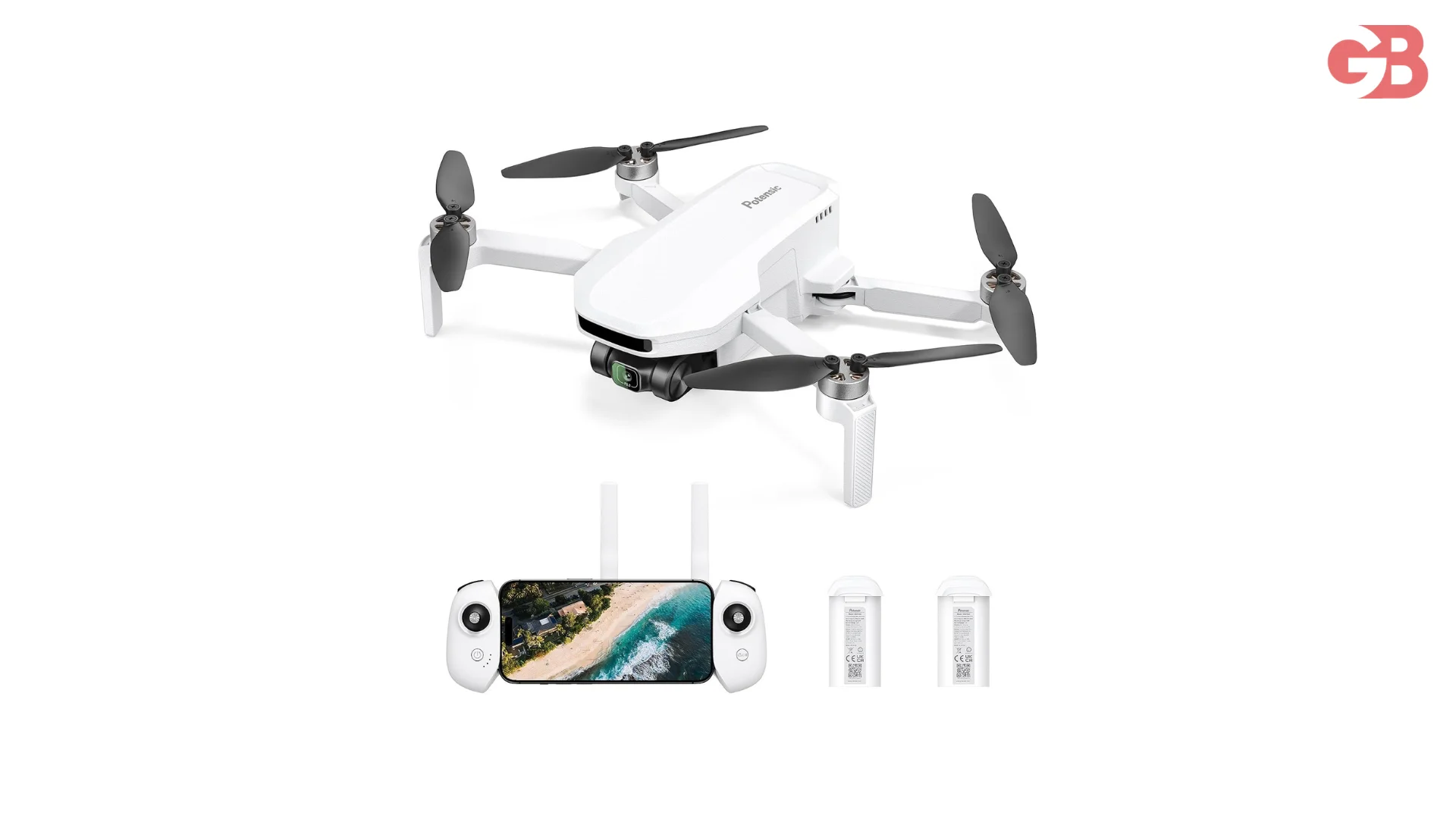 Pricing: Around $150.
Key specs: GPS positioning, 2.5K resolution with Electronic Image Stabilization, category-leading endurance.
Real flight time: Approximately 38 to 40 minutes, the longest of any drone in this comparison.
Best for: Buyers who prioritize maximum time in the air over the absolute best possible footage, particularly useful for longer outdoor sessions or scenic flying where you don't want to interrupt the experience every 15 minutes to swap batteries.
Not for: Anyone shooting footage intended for serious editing or a large screen, since 2.5K with EIS sits meaningfully below native 4K with mechanical stabilization in final image quality.
Holy Stone HS510: Best Value Under $150
The HS510 exists specifically for buyers who want the core benefits of GPS-equipped flying, brushless motors, position hold, without stretching into the $170-plus territory the HS720E occupies. It's Holy Stone's answer to the question of how much genuine capability can be packed into a genuinely lower price point without cutting the two features that matter most for beginner confidence.
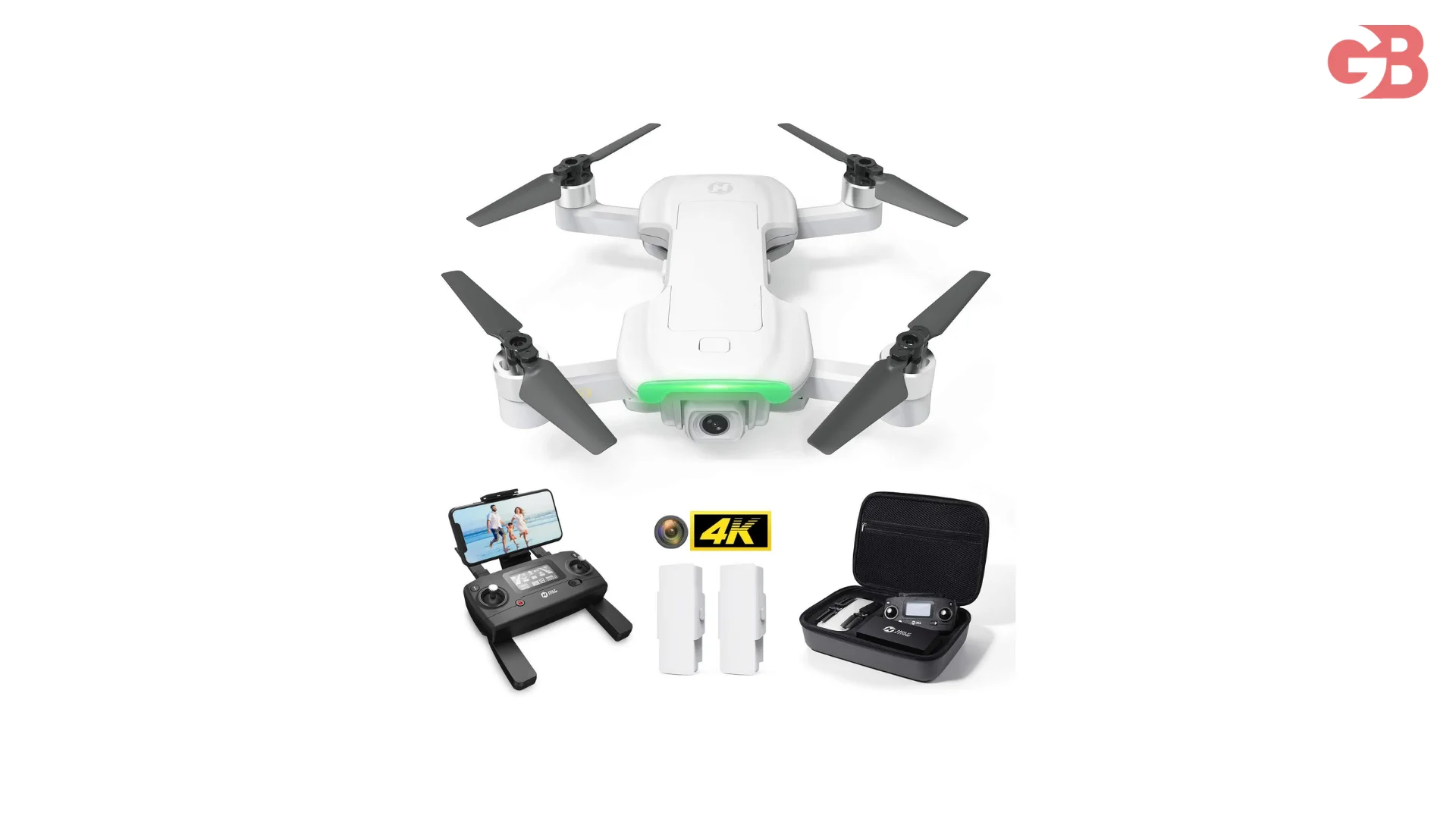 Pricing: Under $150.
Key specs: Dual GPS/GLONASS positioning, brushless motors, 1080p or 2K camera depending on configuration.
Real flight time: Over 20 minutes in typical use.
Best for: Budget-conscious buyers who want genuine GPS stability and motor durability without paying for a 4K camera they may not need.
Not for: Anyone whose primary goal is video quality for sharing or content creation, where the camera specs fall meaningfully behind the pricier options on this list.
Ryze Tello: Best for Kids and Indoor Flying
Tello occupies a unique position in this list because it's technically a Ryze Tech product built in partnership with DJI, giving it flight stability and software polish that's rare at its actual price point. It's genuinely designed for indoor use and beginner hands, with a lightweight 80g frame that makes crashes into walls or furniture a non-issue rather than an expensive mistake.
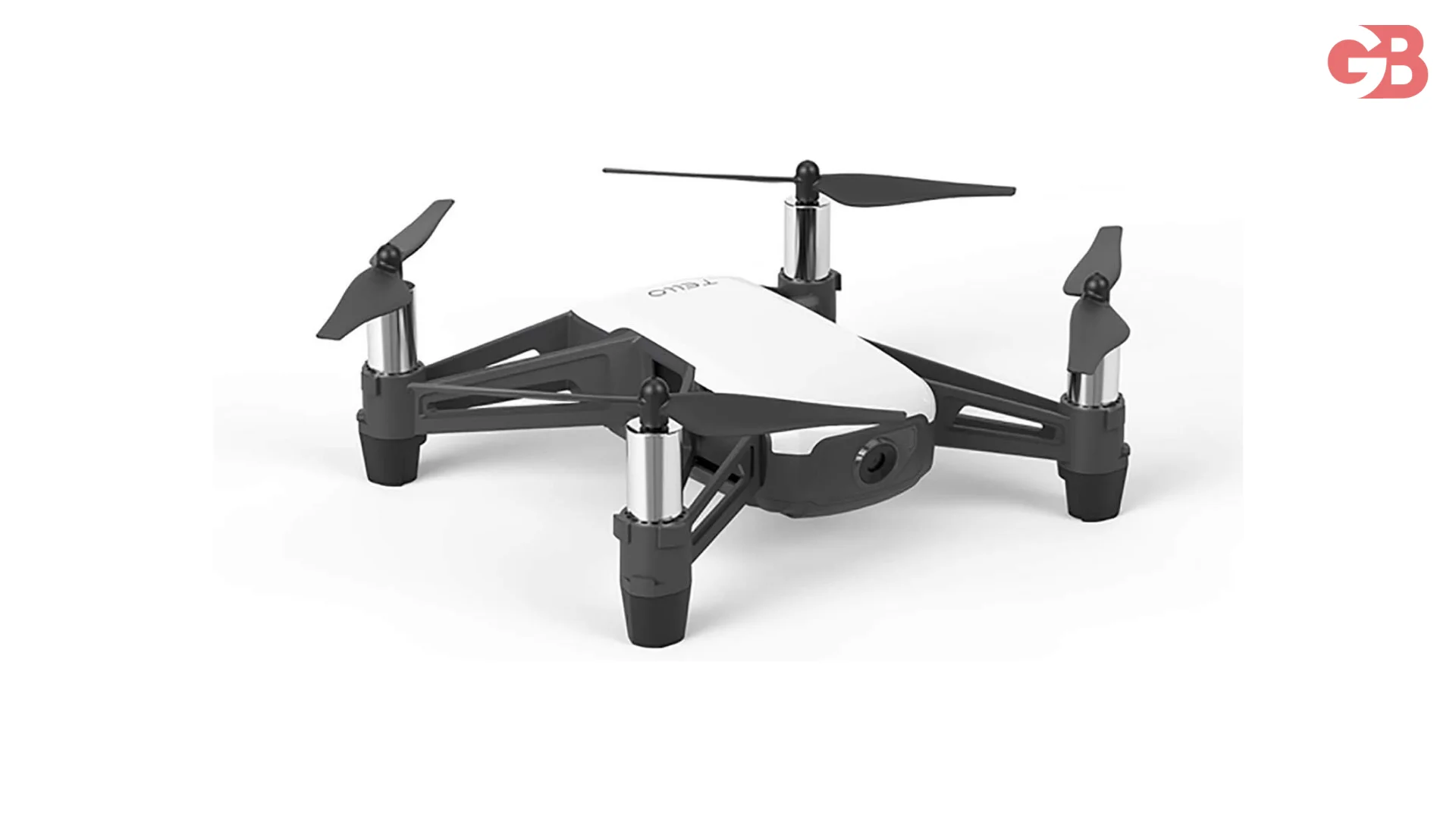 Pricing: Under $100.
Key specs: 80g weight, Wi-Fi video transmission, basic 720p or 1080p camera, one-key takeoff and landing.
Real flight time: Around 13 minutes per battery.
Best for: Kids, complete beginners, and anyone wanting a genuinely stress-free introduction to flying indoors without worrying about GPS, registration, or expensive repairs.
Not for: Outdoor flying in any meaningful wind, or anyone wanting camera footage worth keeping beyond a first-flight novelty.
Snaptain S5C and Holy Stone HS440: The Sub-$60 Fun Tier
At the very bottom of the price range, Snaptain and Holy Stone both compete purely on making flying accessible and enjoyable rather than technically capable. The Snaptain S5C leans into flip modes and stunt-style flying that appeals directly to kids and casual users who want quick fun rather than cinematic footage. The Holy Stone HS440 takes a similar approach, prioritizing lightweight construction and simple, forgiving controls that build confidence fast.
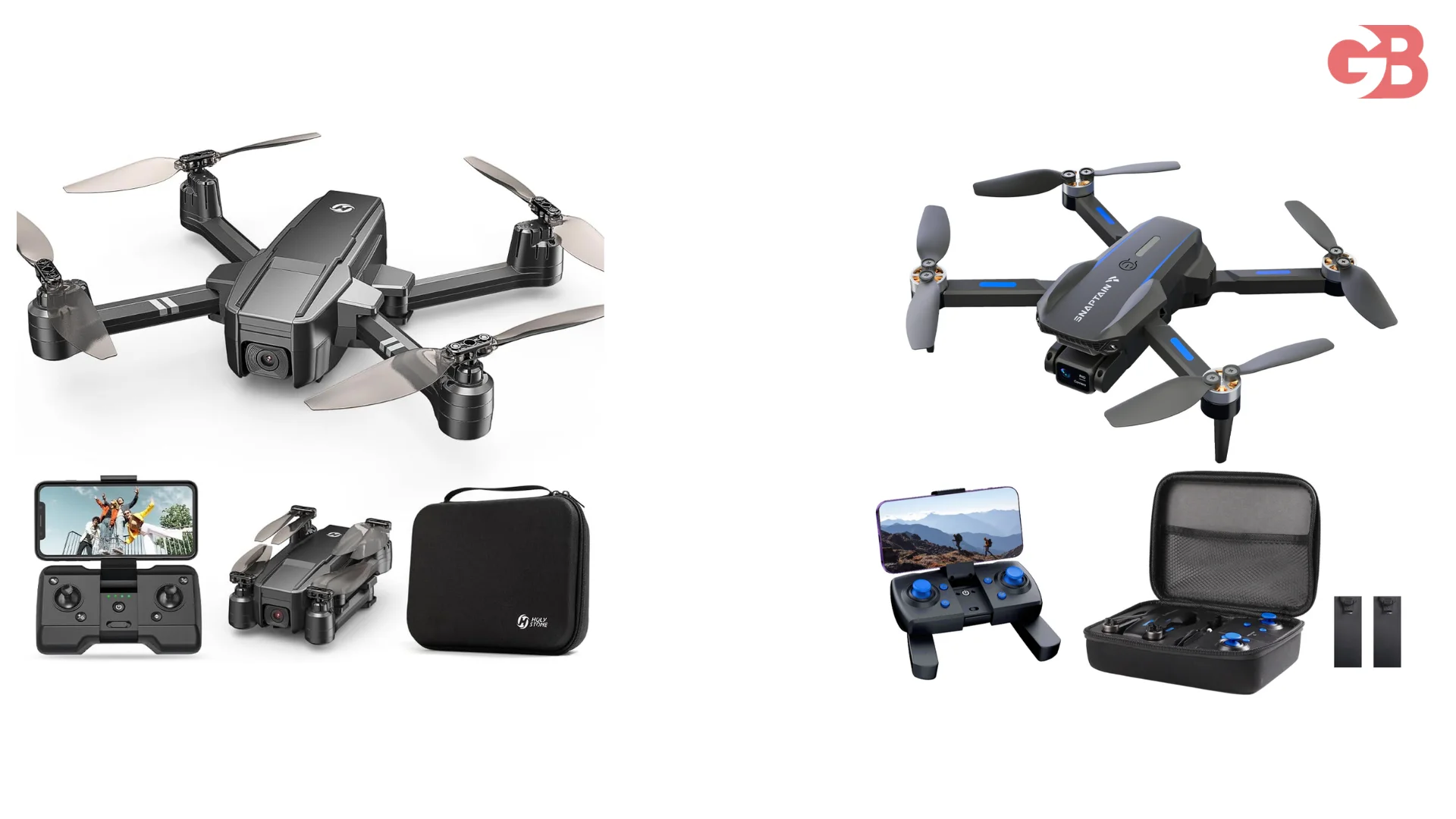 Pricing: Both typically under $60.
Key specs: Basic 1080p or 720p cameras, headless mode, altitude hold, one-key takeoff.
Real flight time: Roughly 9 to 10 minutes per battery on both models.
Best for: Kids, absolute first-timers, and anyone who wants to treat a drone as disposable learning equipment before committing real money to something more capable.
Not for: Anyone expecting usable video footage or outdoor stability, since neither model includes GPS and both will drift noticeably in any real wind.
DJI Mini 4K: Worth Stretching Your Budget For
Technically just outside the $200 ceiling, the Mini 4K earns its place here because the jump in quality it represents is significant enough that many buyers genuinely regret stopping at $199 once they see what an extra $100 buys. It's the only drone in this entire comparison with a true 3-axis mechanical gimbal, physically stabilizing the camera with motors rather than relying on software correction, which produces buttery smooth footage in almost all conditions rather than just calm ones.
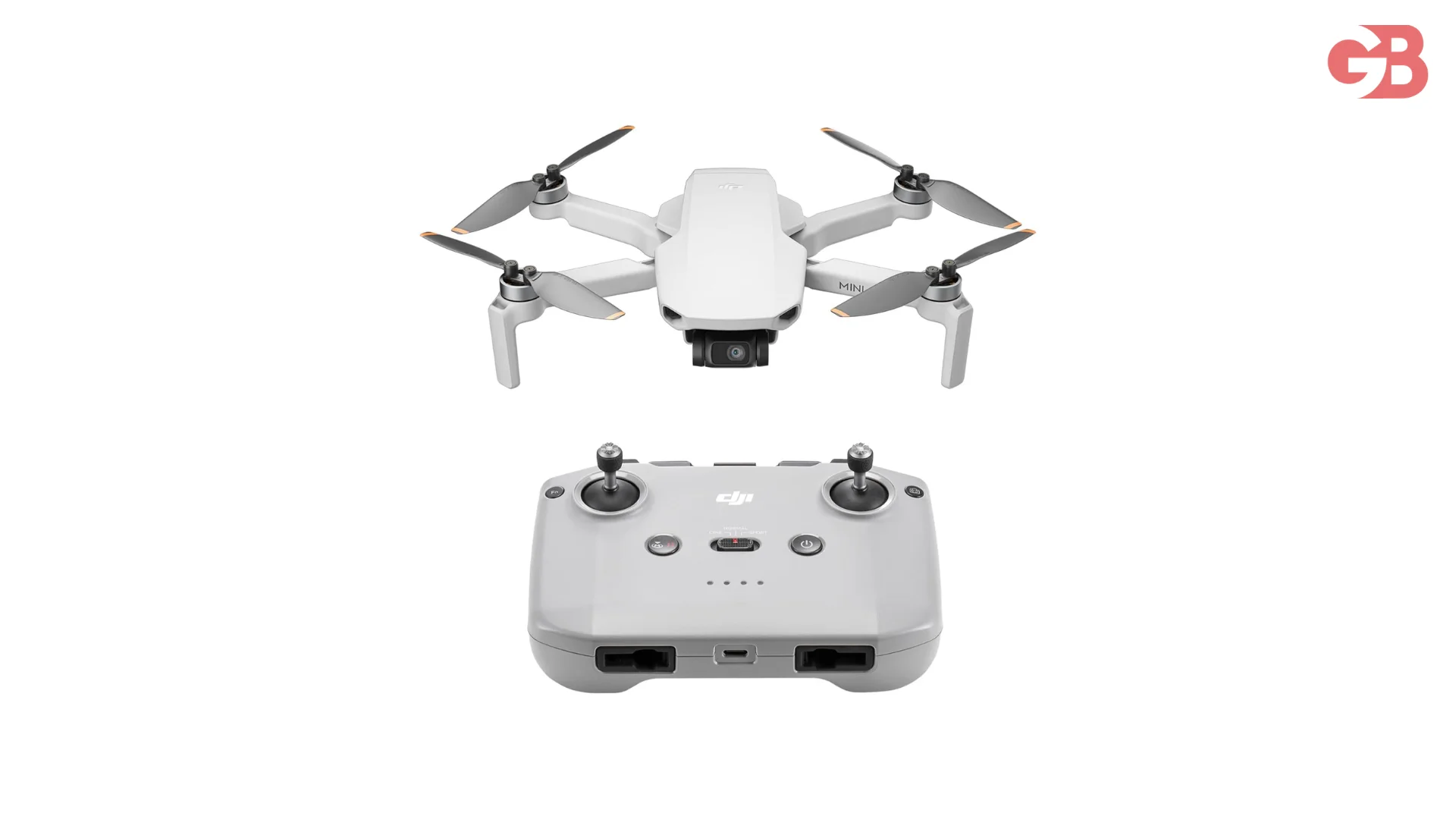 Pricing: $299.
Key specs: Native 4K camera, 3-axis mechanical gimbal, 246g weight, no FAA registration required.
Real flight time: Over 25 minutes measured in real use.
Best for: Buyers who can genuinely stretch their budget and want footage that looks professional rather than merely acceptable, since the gimbal difference alone justifies the price gap for anyone planning to edit or share footage seriously.
Not for: Strict budget shoppers with a hard $200 ceiling, where the DJI Neo remains the smarter choice despite the quality gap.
The FAA Rules You Actually Need to Know
Regardless of which drone you buy, weight determines your legal obligations. Drones under 250g don't require FAA registration for recreational use in the United States, which is exactly why the DJI Neo, Potensic Atom SE, and DJI Mini 4K are all deliberately engineered to land just under that threshold.
Anything over 250g, including the Holy Stone HS720E at 495g, requires FAA registration and Remote ID compliance as enforcement has expanded through 2026. Registration itself is inexpensive and straightforward, but it's a step worth knowing about before you buy rather than discovering after your first outdoor flight. Always verify current requirements directly at the FAA's official UAS registration page rather than relying on secondhand summaries, since enforcement details continue to evolve.
What to Do With All That 4K Footage
Here's a practical problem nobody mentions in drone buying guides specifically. Native 4K footage from something like the DJI Neo eats storage fast, and a single 15-minute flight can easily consume several gigabytes once you're recording regularly. If you're editing that footage on a Mac and storage keeps creeping toward full, our breakdown of the best free Mac cleaners covers exactly which tools actually free up space without secretly gating the useful features behind a subscription, worth bookmarking before your drone footage fills your laptop faster than you expect.
Which Drone Actually Fits Your Situation
Your Priority | Best Pick |
|---|---|
Best overall camera quality under $200 | DJI Neo |
Best GPS stability and Return-to-Home | Holy Stone HS720E |
Longest possible flight time | Potensic Atom LT |
Avoiding FAA registration with GPS | Potensic Atom SE |
Tightest budget, still capable | Holy Stone HS510 |
Kids or complete beginners, indoors | Ryze Tello |
Under $60, purely for fun | Snaptain S5C |
Willing to stretch past $200 | DJI Mini 4K |
My Honest Take
At this price point, you're not getting professional-grade footage no matter what the box claims. Treat any budget drone as a learning tool, expect to crash it a few times, and use that experience to figure out what actually matters to your flying style before spending more on something serious.
The DJI Neo remains the strongest single pick for most first-time buyers specifically because DJI's software and processing genuinely outclass the competition at this exact price. But if GPS stability and Return-to-Home matter more to you than raw video sharpness, the Holy Stone HS720E is the more forgiving choice for someone who genuinely doesn't want to lose their drone on day one.
FAQs
What is the best budget drone overall in 2026?
The DJI Neo at $199 offers the best combination of native 4K camera quality, AI tracking, and DJI's reliable software for most beginners.
Do budget drones under $200 actually shoot real 4K?
Rarely. Most interpolate lower-resolution footage up to 4K, with the DJI Neo being one of the few exceptions offering genuinely native 4K capture.
Which budget drone has GPS and Return-to-Home?
The Holy Stone HS720E, Potensic Atom SE, and Potensic Atom LT all include GPS positioning and automatic Return-to-Home functionality.
Do I need to register a budget drone with the FAA?
Only if it weighs over 250g. Drones like the DJI Neo, Potensic Atom SE, and DJI Mini 4K are built specifically to stay under that threshold.
What is the best budget drone for kids?
The Ryze Tello for indoor flying, or the Holy Stone HS440 and Snaptain S5C for lightweight, crash-friendly outdoor fun under $60.