
Compare the Latest Gadgets on the Market
Easily compare features, specifications, and prices of the latest gadgets side by side. Make informed decisions with detailed comparisons to find the perfect product that fits your needs and budget.
Long Range Walkie Talkies 1000 Miles
Product 1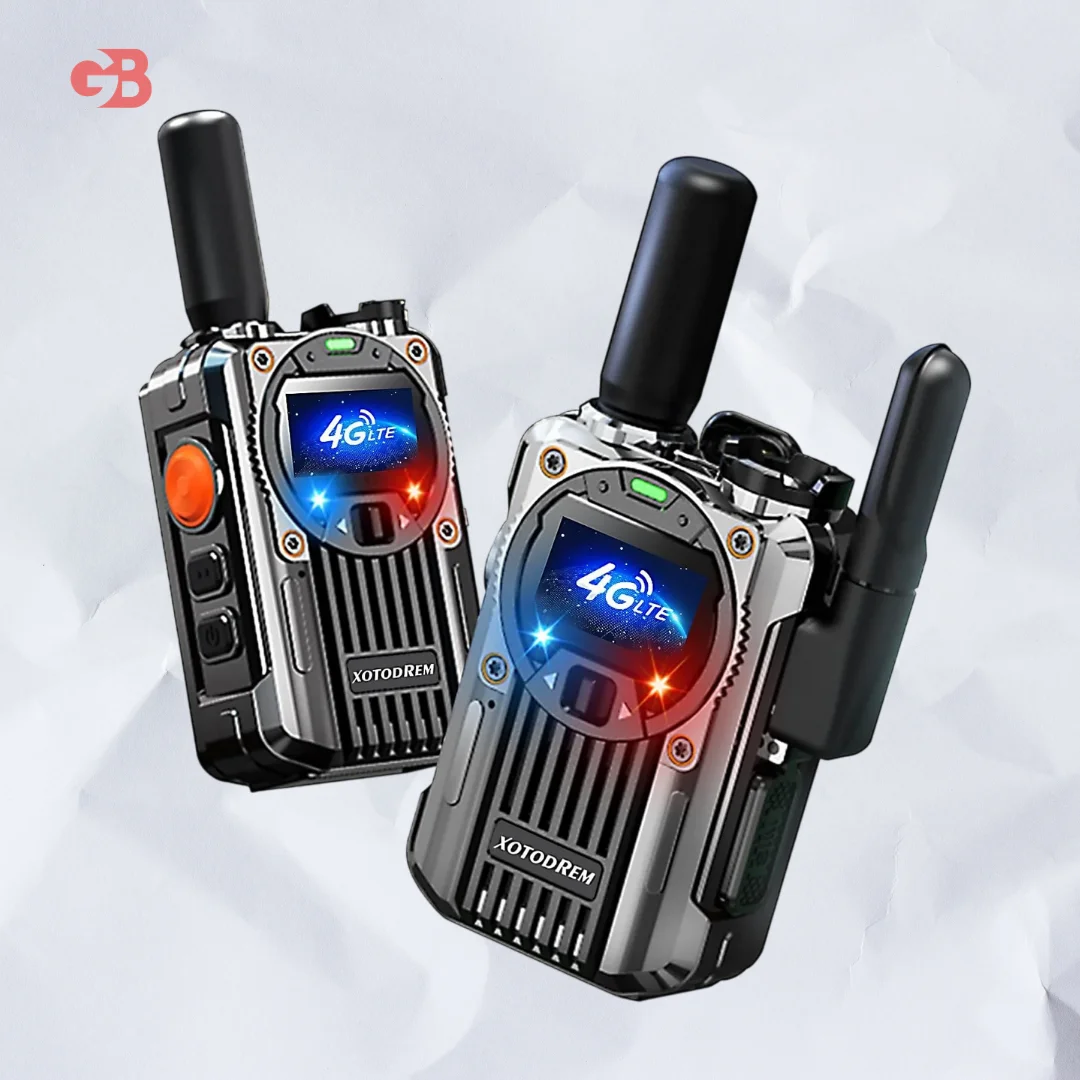
This complete guide explains what “long range walkie talkies 1000 miles” truly means, what range you can realistically expect, and which features matter most. It includes specifications, pros and cons, practical usage tips, and answers to common questions to help you choose the right radios for your needs.
Many radios advertised as “long range walkie talkies 1000 miles” use marketing-friendly numbers. In practice, most traditional walkie talkies use radio waves (VHF or UHF) that depend on line-of-sight, power output, antenna height, and the environment.
Real-world tests and expert analyses show that the 1000-mile claim is rarely achievable with ordinary handheld devices such ranges are often exaggerated or based on ideal conditions (e.g. across mountain ridges with no obstructions).
That said, good long-range radios still deliver useful distances under favorable conditions (open terrain, minimal interference), though these are much shorter than 1000 miles.
Realistic Range Expectations
For handheld walkie talkies, realistic communication distances vary by environment. In dense cities or areas with many buildings, you can expect around 0.5 to 1 mile.
Suburban or lightly obstructed areas typically allow 1 to 3 miles. Open fields, beaches, or flat land can extend range to 3–5+ miles, while mountains or high ground may reach 5–10+ miles. With repeaters or advanced setups, distances of 20+ miles are possible.
These ranges reflect practical, real-world performance rather than exaggerated claims.
Look Also: Spy Camera Necklace with Audio and Video
Who These Walkie Talkies Are For
“Long range” walkie talkies are ideal for a variety of users and situations.
They are perfect for camping and hiking, road trips or convoy driving, farm or warehouse communication, and outdoor events.
Security teams and construction sites can benefit from their reliability, while families can use them during travel or at theme parks.
These radios are practical, affordable, and easy to use, making them suitable for both personal and professional purposes.
Usage Tips to Maximize Range
To get the most from your walkie talkies, try to elevate the radio by standing on higher ground, and keep the antenna straight and upright, as a bent or angled antenna can weaken the signal.
Reducing obstacles between radios, such as buildings or trees, improves distance, while ensuring batteries are fully charged helps maintain strong transmission power. Additionally, switching to a clear channel can enhance clarity by avoiding interference from noisy or crowded frequencies.
Frequently Asked Questions (FAQ)
Can a walkie talkie really work for 1000 miles?
Almost certainly not. The “1000 miles” claim is usually marketing exaggeration for rare ideal conditions.
What is the realistic maximum range?
Open areas: 3–5+ miles, sometimes 10–15 miles with boosters/repeaters. Urban areas: typically under 1–2 miles.
What factors affect range the most?
Antenna quality and position, power output, terrain/obstacles, and the choice of frequency band (VHF/UHF).
Are there walkie talkies that cover very long distances?
Standard handheld radios cannot reach hundreds of miles. Long-distance needs satellite or cellular-based radios.
What to check when buying a long-range walkie talkie?
Build quality, antenna type, frequency band, power output, battery life, and suitability for your environment. Avoid trusting exaggerated mileage claims.
Features
Frequency Band (VHF/UHF): VHF works best in open areas; UHF performs better around buildings.
Power Output: Higher wattage generally supports longer, clearer communication.
Antenna Quality: A strong, upright antenna improves range; higher placement boosts performance.
Durability: Sturdy, weather-resistant bodies are ideal for outdoor or rough use.
Battery Life: Longer battery capacity is important for extended or remote use.
Specifications
Dense city / built-up area: ~0.5 – 1 mile (sometimes less)
Power Output: 2W to 5W
Channels: 16 to 128 (depends on model)
Battery: 1200mAh–3000mAh
Material: ABS or reinforced plastic housing
Antenna: Removable or extended type
Features: VOX, scan function, emergency alarm, flashlight (varies by model)
Pros
Useful for short to medium distances great for hiking, camping, farms, events, security, local coordination.
Easy to use: no complex setup or network needed (for standard radios).
Portable and often rugged many models handle outdoor conditions well (dust, mild rain, rough terrain).
Instant, real-time communication with push-to-talk simplicity no need for phone signal or data plan.
Cons
1000-mile claims are unrealistic for standard walkie-talkies; actual range is much less.
Range drops drastically in cities, forests, hills, or areas with obstacles (buildings, trees, terrain).
Limited by line-of-sight: obstacles, weather, and antenna position can block signal.
For truly long-range (hundreds or thousands of miles) communication, you would need completely different technology (e.g. satellite radio, cellular-based radios), which are usually more expensive and may require subscriptions or licenses
Select Product 2
Choose a product to compare